Wind Infrastructure Intelligence

Engineering Precision at Hundred-Metre Hub Heights

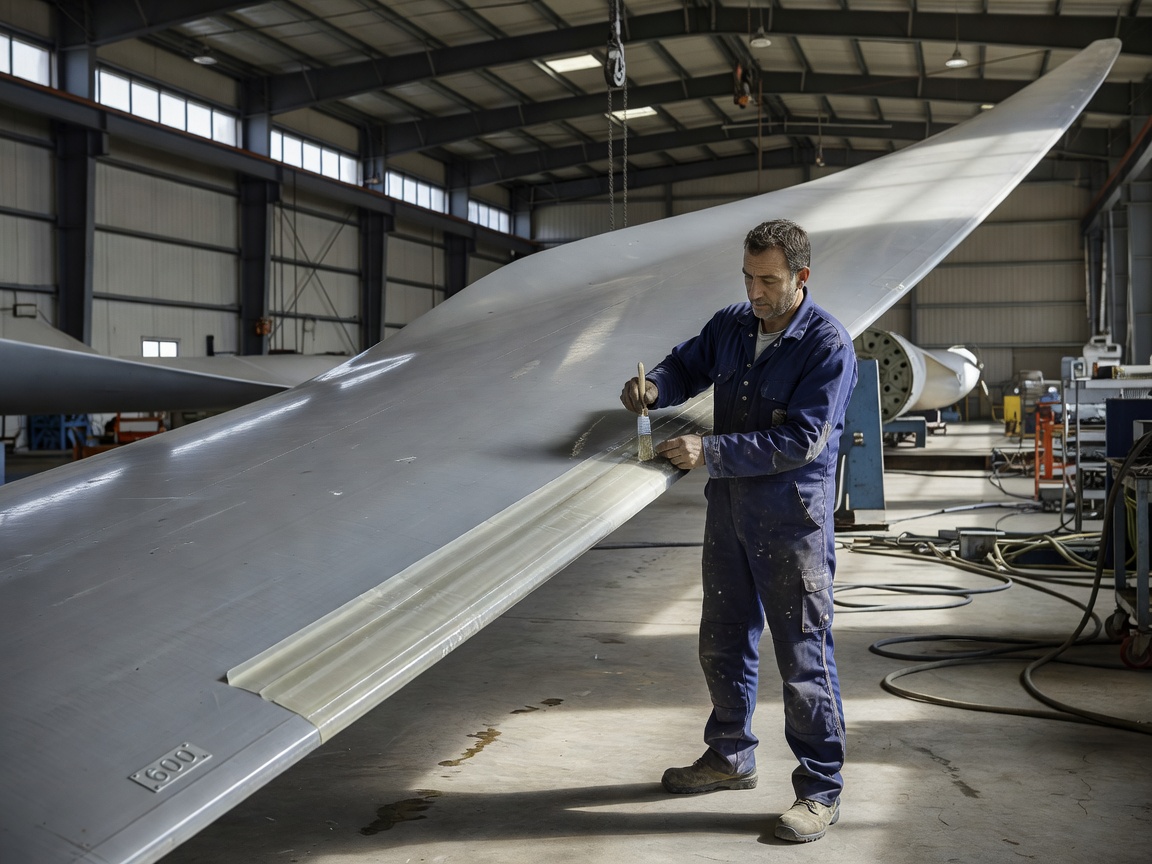
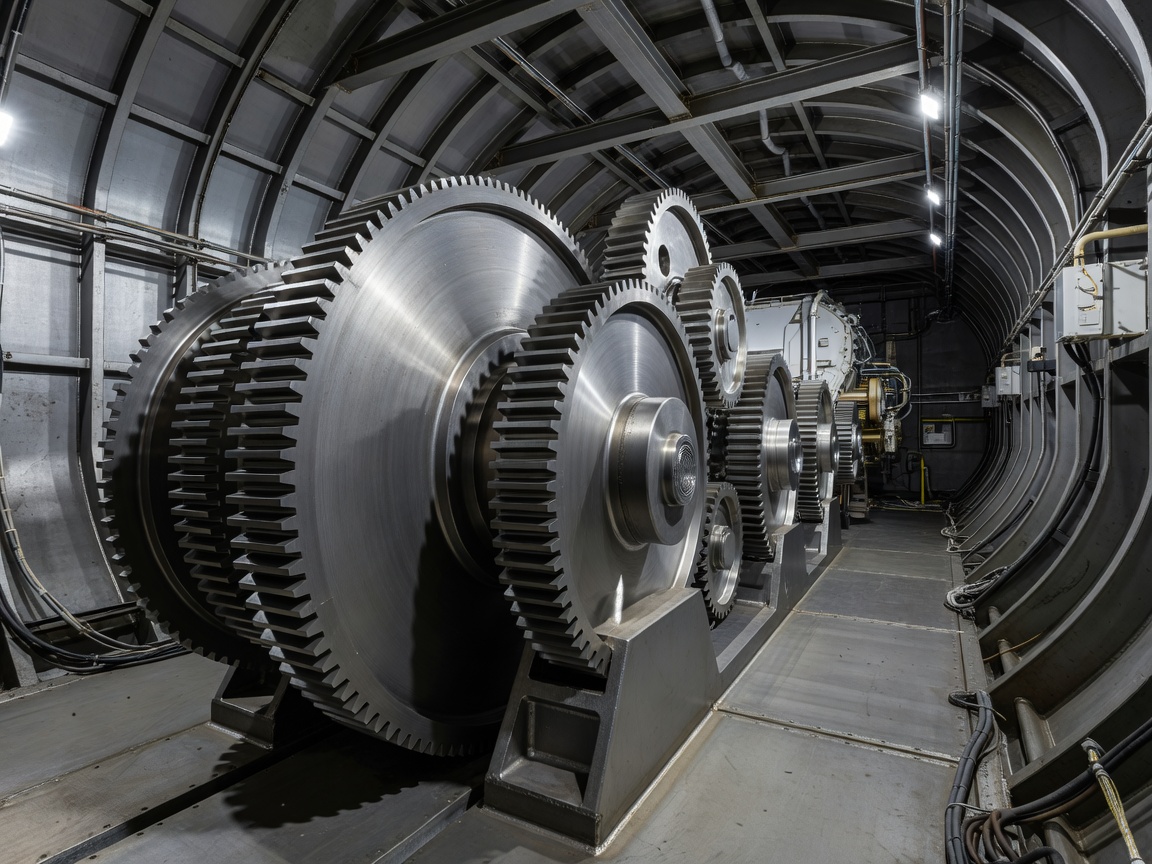
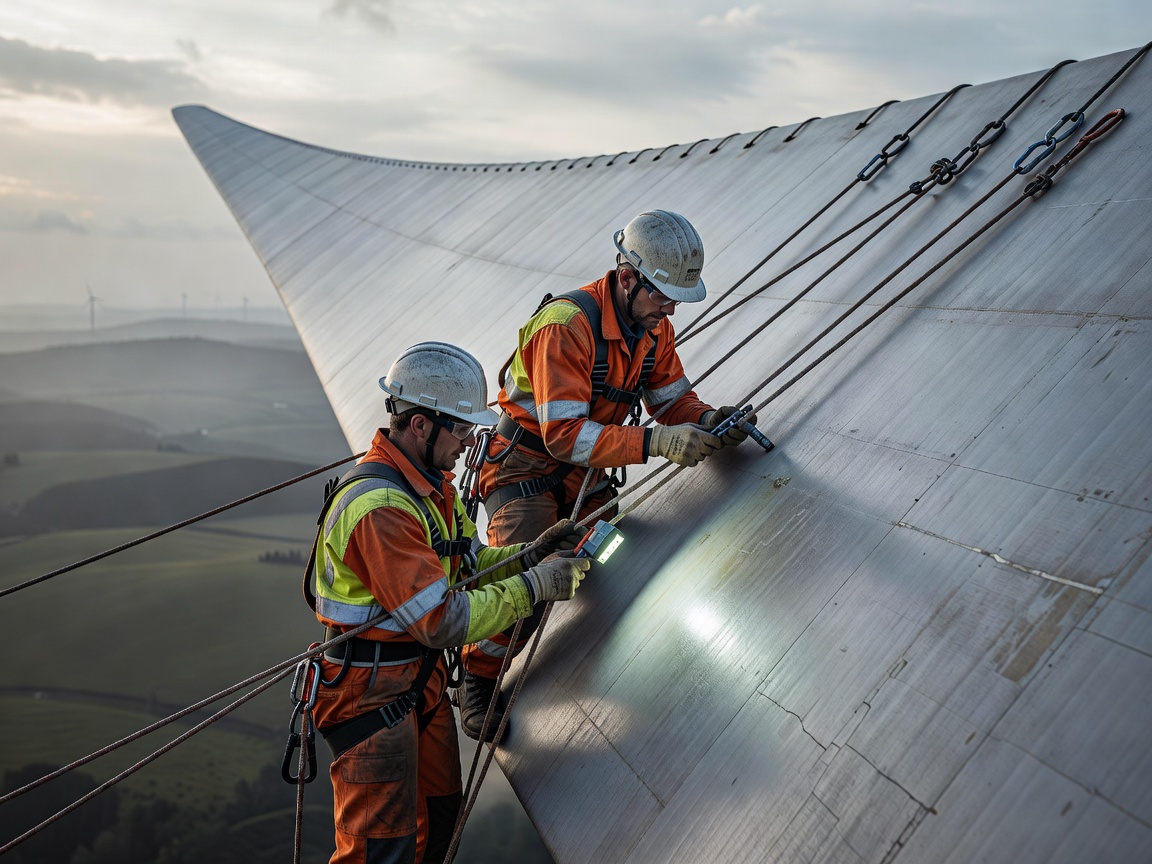
We track the physical reality of utility wind turbines: the microscopic micro-fissures in leading edges, the vibrational harmonics of multi-megawatt planetary gearboxes, and the logistics of deploying rope-access teams into ninety-meter blade spans. Maintaining kinetic renewable infrastructure demands forensic diligence.

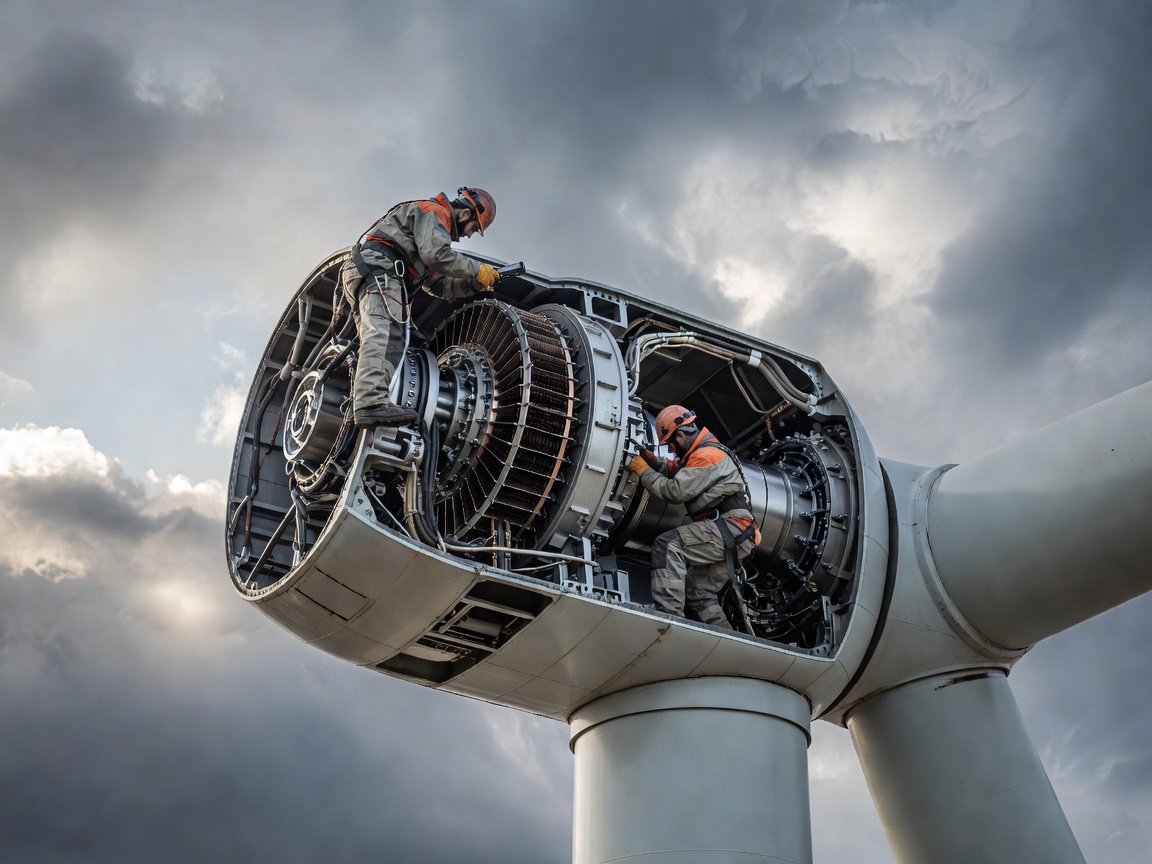
Engineers servicing a direct-drive nacelle structure against atmospheric sky
Monitoring Matrix Rotational Dynamics & Structural Integrity
25–30 yr Target Structural Lifecycle
80–120 m Typical Rotor Blade Radius
10–18 RPM Operational Hub Speed Band
100% Digital Sensor-Correlated Logbooks
Operational Domains

Core Disciplines in Turbine Asset Integrity

Every operational hour places multi-axis loads through composite aero-foils, steel tower flanges, pitch bearings, and power electronics. Explore our deep engineering breakdowns across the five foundational areas of modern turbine care.

Asset Preservation Value

Why Proactive Intervention Preserves Generation Economics

A modern 6 MW offshore turbine represents several million Euros in engineered composite and electromechanical capital. When leading-edge delamination degrades aerodynamic chord profile by merely 1.5 millimetres, energy yield drops precipitously by 2% to 5% across annual production cycles.

Worse still, unmonitored roller-element micro-spalling in high-speed generator bearings inevitably propagates into complete planetary stage seizure. Our focus is eliminating catastrophic unbudgeted interventions by shifting asset operators from calendar-based visual checks into continuous, multi-channel structural health regimes.

  • Levelised Cost Preservation: Every avoided jack-up vessel mobilization protects project debt service covenants.
  • Structural Health Continuity: Tracking foundation grouting micro-cracks and bolt pre-tension prevents tower shear risks.
  • Worker Safety Optimization: Pre-diagnosed work orders minimize technician dwell time inside confined nacelles under heavy weather.
The Lifecycle Degradation Trajectory

01

Incipient Surface Micro-Cracks

Cavitation, rain erosion, and sub-micron particulate scoring on high-speed pinions.

02

Vibrational Harmonic Deviation

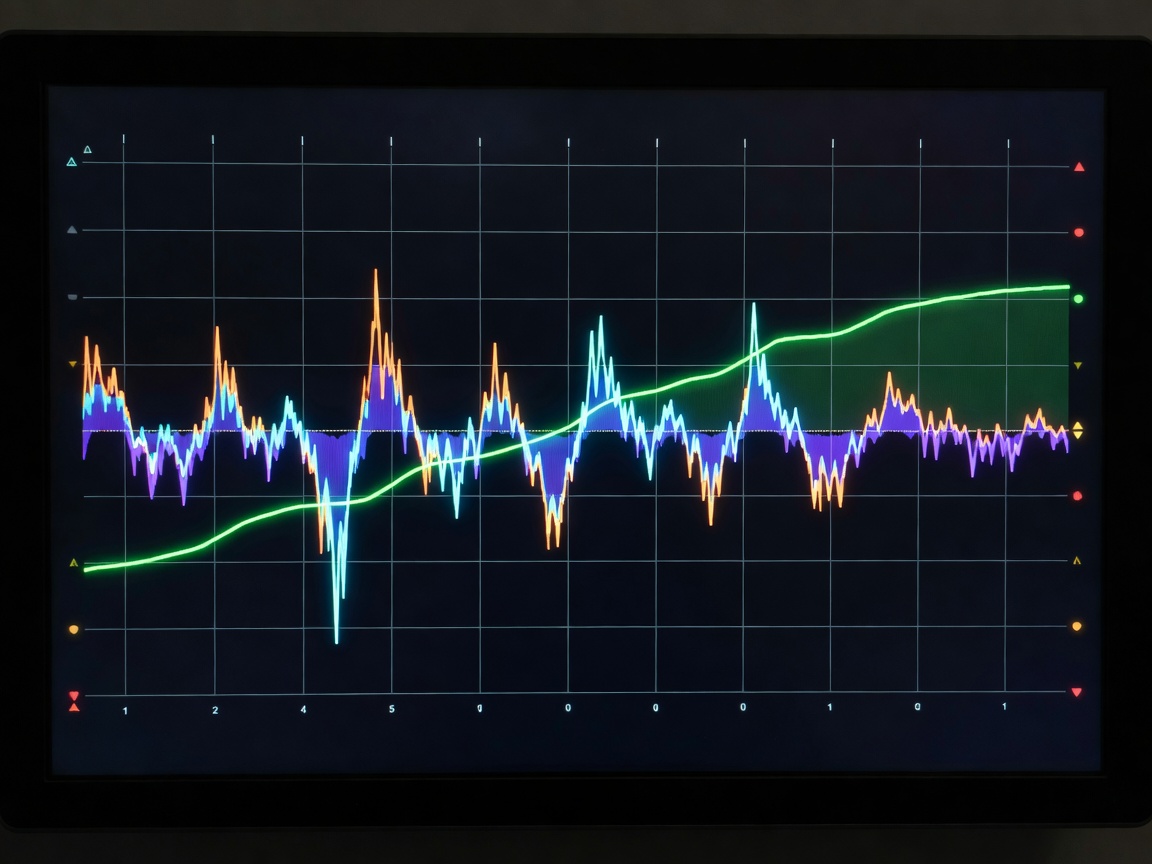
Accelerometers register signature shift at 1.8–3.2 kHz cage pass frequency.

03

Controlled Low-Wind Window Intervention

Up-tower bearing exchange or resin injection completed during summer breeze lulls.

04

Restored Aerodynamic & Kinematic Baseline

Turbine returns to optimal rated power coefficient with zero unbudgeted downtime.

Field Engineering Collaboration

Facing a Complex Drivetrain or Blade Assessment Challenge?

We connect maintenance planners, reliability engineers, and technical fleet managers with rigorous, non-commercial documentation on wind asset integrity. Reach out to discuss specific inspection protocols or share field observations.